
Scam Prevention Consultation
Review your online activities, common communication channels and areas of concern to identify potential scam risks and develop practical steps for recognizing suspicious messages, websites and requests.
Stay better prepared for suspicious messages, fraudulent websites, impersonation attempts and other common scams. We help individuals and businesses review potential risks, understand warning signs and develop practical habits for identifying and responding to suspicious online activity.
From reviewing suspicious emails, messages and websites to identifying common scam warning signs, improving account security practices and planning safer responses, our scam prevention consultation services help individuals and businesses make more informed decisions when unexpected or suspicious activity occurs.
Review your online activities, common communication channels and areas of concern to identify potential scam risks and develop practical steps for recognizing suspicious messages, websites and requests.
Review suspicious emails, text messages and other communications for common warning signs, helping you better understand whether a message may require additional caution before responding, clicking links or sharing information.
Review websites that appear unfamiliar or suspicious and identify common indicators that may require caution before entering personal information, passwords or payment details.
Understand common impersonation tactics involving businesses, banks, government organizations, technical support services and personal contacts so suspicious requests can be recognized more easily.
Review everyday online activities, account practices and communication habits to identify areas where additional caution and safer decision-making may help reduce exposure to common scams.
Review current security practices, communication habits and areas of concern to develop a practical approach for responding to suspicious activity and avoiding unnecessary exposure to potential scams.
Scams often rely on urgency, trust, fear or confusion to encourage people to act quickly. We focus on helping identify common warning signs, reviewing suspicious situations and developing practical habits so you can pause, assess and make more informed decisions before sharing information or taking action
We look at the messages, websites, requests or situations causing concern and help identify common warning signs that may indicate additional caution is needed.
We focus on practical warning signs and safer decision-making habits that can help individuals and businesses recognize suspicious activity before responding or sharing important information.
We review important accounts, communication methods and available security practices to identify practical steps that may help reduce unnecessary exposure to unauthorized access or fraudulent activity.
Scams can appear through emails, text messages, phone calls, social media, websites and impersonated accounts. Some attempts are easy to recognize, while others may appear to come from trusted organizations or familiar contacts. A structured scam prevention approach helps people slow down, identify warning signs and make more informed decisions before clicking links, sending money or sharing personal information.
Scammers often create pressure by claiming that immediate action is required. Unexpected requests involving account problems, payments, security warnings or personal information should be approached carefully.
Fraudulent messages and websites may imitate legitimate businesses, banks, government agencies, delivery services or technical support providers, making suspicious activity more difficult to recognize.
Links may direct users to unfamiliar or misleading websites designed to collect passwords, personal details or other sensitive information before the user realizes something is wrong.
Unexpected requests for passwords, verification codes, banking details or personal information can create serious risks when information is shared without independently confirming who is making the request.
We review common indicators associated with suspicious messages, websites and requests so potential scam activity can be identified before unWe review common indicators associated with suspicious messages, websites and requests so potential scam activity can be identified before unnecessary action is taken.necessary action is taken.
We help establish practical steps for handling unexpected communications, including when to pause, verify information independently and avoid sharing sensitive details.
We review important account security practices and areas commonly targeted by scammers to help support a more cautious and organized approach to online safety
Our scam prevention consultation process begins by understanding the suspicious activity or areas causing concern. We then review available information, identify potential warning signs, discuss practical prevention measures and help establish a clearer approach for handling similar situations in the future.
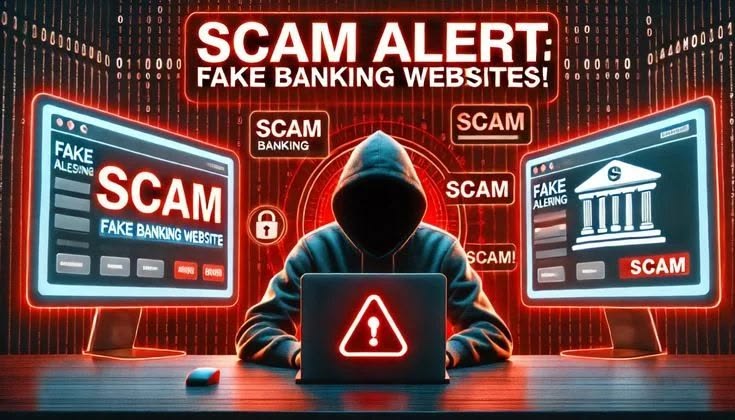
We review the suspicious message, website, communication or situation you are concerned about and identify the available details needed to understand the potential risk.
We examine relevant information for common scam indicators, unusual requests and other signs that may suggest additional caution or independent verification is appropriate.
We discuss practical steps for responding to suspicious activity, improving online safety habits and reducing the likelihood of sharing information or taking action under unnecessary pressure.
We review important accounts, communication practices and available security measures to identify practical areas where additional awareness or protection may be useful.
Find answers to common questions about suspicious messages, fraudulent websites, impersonation attempts, online safety and practical steps for recognizing and responding to potential scams.
Common warning signs can include unexpected requests, urgent deadlines, suspicious links, unusual payment instructions, requests for passwords or verification codes and messages that appear inconsistent with normal communication from an organization or contact.
Yes. We can review available information from suspicious emails, messages or other communications and help identify common warning signs that may require additional caution before you respond, click a link or share information.
Warning signs can include unfamiliar web addresses, unusual requests for sensitive information, poor or inconsistent content and offers or messages that create unnecessary urgency. When uncertain, it is generally safer to independently verify the organization before entering important information.
Do not share passwords or verification codes with an unverified person or unexpected contact. Legitimate services may use verification codes during approved login or recovery processes, but unexpected requests should be treated with caution and independently verified.
Yes. Businesses can review common communication risks, employee awareness practices, suspicious requests and account security concerns to develop more practical habits for identifying and responding to potential scam activity.